You Won’t Believe What I Found Shopping in Kuala Lumpur
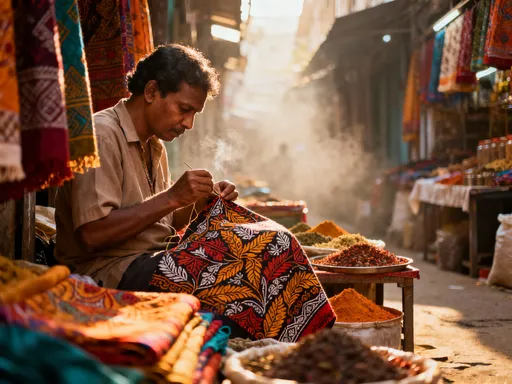
Shopping in Kuala Lumpur isn’t just about malls and deals—it’s a cultural adventure. From bustling street markets to sleek boutiques, every purchase tells a story. I never expected haggling over batik fabrics or sipping kopi at a heritage shophouse could feel so alive. This city blends tradition and trend in ways that surprise even the savviest travelers. Let me take you where shopping meets soul. Here, commerce is more than transaction; it’s a living expression of history, identity, and community. Whether you’re drawn to the scent of sizzling satay on a night market stall or the quiet elegance of handwoven songket in a curated gallery, Kuala Lumpur offers a sensory journey that transcends the ordinary. This is not retail therapy—it’s cultural immersion, one thoughtful find at a time.
The Pulse of Petaling Street: More Than Just Bargains
Petaling Street, the heart of Kuala Lumpur’s Chinatown, pulses with energy from dawn until late into the night. As one of the city’s oldest commercial districts, it has served as a hub of trade and migration for over a century. The narrow streets are lined with tightly packed stalls, each vying for attention with vibrant displays of goods ranging from silk scarves to imitation electronics. The air hums with the sizzle of char kway teow on hot griddles, the clatter of mahjong tiles from nearby tea shops, and the rhythmic cadence of Mandarin, Cantonese, and Malay spoken in quick succession. To walk through Petaling Street is to step into a living archive of cultural exchange, where commerce and heritage intersect in unexpected ways.
Yet beyond the surface-level appeal of bargain hunting lies a deeper narrative. Many of the vendors are descendants of Chinese immigrants who settled in Kuala Lumpur during the British colonial era, establishing family-run businesses that have endured for generations. While today’s market caters heavily to tourists, its roots remain deeply embedded in community survival and resilience. Visitors will notice small shrines tucked between stalls—offerings of fruit, incense, and red candles—quiet testaments to spiritual traditions maintained amid modern commerce. These sacred spaces remind shoppers that this is not merely a marketplace, but a place of continuity, where faith, family, and fortune are interwoven.
For the mindful traveler, navigating Petaling Street requires more than a sharp eye for deals—it demands cultural sensitivity. Haggling is expected, but it should be done with respect and a smile, not aggression. A polite negotiation reflects mutual understanding rather than exploitation. To support authentic craftsmanship, look for vendors selling handmade items like hand-painted fans, intricately carved chopsticks, or locally embroidered textiles. These pieces often come from smaller workshops outside the city and carry the mark of skilled artisans. Avoid mass-produced souvenirs that mimic cultural symbols without honoring their meaning, such as cheaply made “lucky” trinkets or knockoff traditional costumes.
One of the most rewarding experiences on Petaling Street is discovering hidden gems beyond the main thoroughfare. Step into the side alleys and you might stumble upon a century-old medicine shop with wooden drawers labeled in calligraphy, or a tiny temple dedicated to Guan Yu, the god of loyalty and righteousness. These quiet corners offer a counterpoint to the commercial frenzy, inviting reflection and connection. For families exploring together, Petaling Street provides an engaging way to teach children about history, diversity, and the value of craftsmanship. It’s a place where every corner tells a story—if you take the time to listen.
Central Market: Where Heritage Meets Handmade
Just a short walk from Petaling Street lies Central Market, a beautifully preserved colonial-era building transformed into a vibrant cultural marketplace. Originally constructed in 1888 as a wet market, it was later restored in the 1980s to celebrate Malaysian heritage and the arts. Today, it stands as a sanctuary for traditional craftsmanship, offering visitors a curated experience that balances authenticity with accessibility. Unlike the chaotic energy of street markets, Central Market provides a more relaxed atmosphere where artistry takes center stage. Here, shopping becomes an act of preservation—a way to support local creators while carrying home a piece of Malaysia’s rich cultural tapestry.
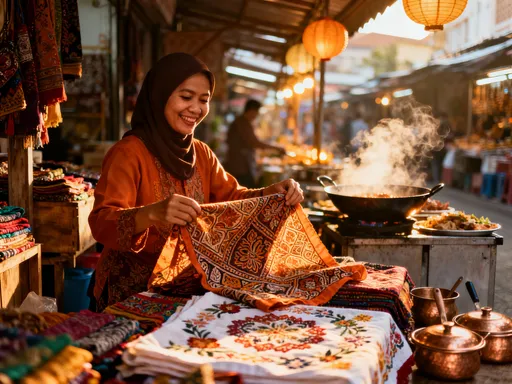
The market is home to dozens of stalls showcasing handmade goods from across the country. You’ll find Kelantanese woodcarvers meticulously shaping masks used in traditional dances, Iban weavers from Sarawak demonstrating the intricate technique of songket fabric, and indigenous artisans from Sabah displaying delicate beadwork inspired by nature and ancestral stories. Each item carries symbolic meaning: the tiger motif in Malay carvings represents courage, while geometric patterns in Orang Asli beadwork often reflect spiritual beliefs and clan identity. By learning these stories, shoppers move beyond mere consumption and engage in meaningful cultural exchange.
Central Market also serves as an incubator for emerging artists and designers who reinterpret traditional crafts for modern lifestyles. A growing number of young Malaysians are blending heritage techniques with contemporary aesthetics—think batik-print laptop sleeves, ceramic tableware with Peranakan-inspired glazes, or jewelry incorporating ancient motifs in minimalist silver settings. These innovations ensure that traditional skills remain relevant and economically viable in today’s world. The market regularly hosts live demonstrations, workshops, and cultural performances, allowing visitors to witness the creative process firsthand and even try their hand at weaving or block printing.
For families and older travelers, Central Market offers a comfortable, air-conditioned environment with clear signage, seating areas, and restroom facilities—features that make it especially welcoming. It’s also a safe space to introduce children to Malaysian culture through interactive experiences, such as coloring traditional patterns or watching puppet shows based on epic folklore. When purchasing items here, consider asking the artisans about their craft. Most are eager to share their journey, whether it’s a third-generation batik maker from Terengganu or a young designer revitalizing forgotten weaving techniques. These conversations deepen the value of your purchase, turning a simple souvenir into a cherished memory.
Suria KLCC: Luxury with a Local Twist
Beneath the soaring twin towers of Petronas lies Suria KLCC, Kuala Lumpur’s premier luxury shopping destination. At first glance, it resembles any high-end urban mall—gleaming marble floors, international fashion houses, and designer boutiques stretching across multiple levels. Yet what sets Suria KLCC apart is its deliberate integration of Malaysian culture into the shopping experience. Rather than feeling like a generic global mall, it functions as a cultural crossroads where tradition and modernity coexist in harmony. This thoughtful curation elevates the visitor experience, offering not just retail therapy, but a subtle education in national identity.
Wander through the lower levels and you’ll encounter pop-up exhibitions featuring Malaysian heritage themes—displays on the history of kampung life, installations celebrating the country’s diverse festivals, or photo essays on rural artisans. During festive seasons like Hari Raya or Chinese New Year, the atrium transforms with elaborate decorations that honor both religious and cultural significance. Even the food court includes premium versions of local favorites: nasi lemak served in banana leaves with gourmet accompaniments, or hand-pulled beef noodles made using time-honored methods. These touches ensure that visitors never lose sight of where they are, even amid global brands like Louis Vuitton or Uniqlo.
One of the most exciting developments at Suria KLCC is the rise of homegrown designer boutiques. These spaces showcase Malaysian talent in fashion, accessories, and homeware, often blending traditional textiles with modern silhouettes. A boutique might feature a modern kebaya dress reimagined with batik-print silk and contemporary cuts, or a jewelry line using recycled silver and indigenous design elements. These brands are not just selling products—they are telling stories of identity, resilience, and innovation. For the discerning shopper, finding one of these labels feels like uncovering a secret, a rare moment of authenticity within a luxury setting.
Suria KLCC also hosts regular cultural performances in its central atrium. On weekends, you might encounter a live gamelan ensemble, a traditional Malay dance troupe, or a calligraphy demonstration by a master penman. These events draw families, couples, and solo visitors alike, creating a sense of shared celebration. For older travelers, the mall’s accessibility features—escalators, elevators, seating zones, and clean restrooms—make it a comfortable place to spend hours exploring. And for those seeking a moment of calm, the adjacent KLCC Park offers a lush green escape with fountains, walking paths, and views of the towers—an ideal spot to reflect after a morning of shopping.
Pasar Malam Night Markets: Community, Culture, and Cheap Eats
Every week, across neighborhoods like Taman Connaught, Section 16 Shah Alam, and Cheras, temporary markets spring to life as the sun sets. Known locally as *pasar malam*, these night markets are a cornerstone of Malaysian community life. More than just places to shop, they are social gatherings where families stroll together, friends meet for late-night snacks, and elders catch up over sweet *teh tarik*. The atmosphere is electric yet intimate—a blend of laughter, music from passing cars, and the smoky aroma of grilled meat skewers. For visitors, attending a *pasar malam* offers an unfiltered glimpse into everyday Malaysian culture, far removed from tourist-centric spaces.
What makes these markets special is their rotating nature. Each neighborhood hosts its own market on a specific night of the week, creating a weekly rhythm that binds communities together. Vendors pack up their wares in trucks and trailers, moving from one location to the next, forming a mobile economy rooted in trust and familiarity. The goods on offer are practical and affordable: fresh produce, household items, clothing, and toys. But it’s the food that draws the biggest crowds. Stalls serve regional specialties—spicy *rojak*, crispy *apam balik*, steamed *kuih* in rainbow colors, and *cendol* served in coconut milk over shaved ice. These dishes are often made by the same families for decades, their recipes passed down through generations.
For travelers, visiting a *pasar malam* is both an adventure and a lesson in local etiquette. Cash is essential—few vendors accept cards, and ATMs may be scarce. Arriving early ensures the best selection, as popular food stalls often sell out by 9 p.m. It’s also wise to come hungry and open-minded, willing to try unfamiliar flavors. Children love the toy stalls with colorful balloons and simple games, while older visitors appreciate the slower pace and genuine warmth of the vendors. Many sellers recognize regular customers by name, offering discounts or extra portions—a reminder that these markets are built on relationships, not just transactions.
From a cultural perspective, *pasar malam* play a vital role in preserving regional food traditions and supporting small-scale entrepreneurs. Unlike supermarket chains, these vendors source ingredients locally, often from family farms or backyard gardens. This creates a sustainable economic model that benefits the entire community. By choosing to shop at a *pasar malam*, visitors contribute directly to this ecosystem. It’s a form of ethical tourism that doesn’t require grand gestures—just the decision to spend your ringgit where it matters most.
Hidden Shophouses and Indie Boutiques in Brickfields & Bangsar
While Kuala Lumpur’s malls dominate the skyline, a quieter revolution is unfolding in its historic neighborhoods. In districts like Brickfields, known for its Indian heritage, and Bangsar, a leafy suburb favored by creatives, independent boutiques are redefining the city’s retail landscape. Housed in restored colonial-era shophouses with pastel-colored facades and wrought-iron balconies, these stores offer a curated alternative to mass-market shopping. They reflect a growing movement among young Malaysians to celebrate local identity through design, sustainability, and storytelling. For travelers seeking something unique, these spaces provide a refreshing contrast to the predictability of chain stores.
Step into a boutique in Bangsar and you might find clothing made from upcycled batik fabric, ceramic mugs hand-thrown by local potters, or notebooks stamped with traditional woodblock prints. Many of these products are created in small batches, emphasizing quality over quantity. The owners—often artists, designers, or former corporate professionals turned entrepreneurs—are passionate about their work and eager to share their vision. Conversations flow easily, whether you’re asking about the origin of a fabric or the inspiration behind a jewelry piece. This personal connection transforms shopping into a dialogue, fostering mutual respect and understanding.
In Brickfields, the influence of Indian culture is evident in the vibrant saree shops, spice emporiums, and family-run tea stalls. But alongside these traditions, new ventures are emerging—cafes serving rose-scented lassi in hand-painted glasses, concept stores blending Tamil calligraphy with modern stationery, or yoga studios doubling as retail spaces for eco-friendly apparel. These hybrid models reflect the multicultural reality of Malaysia, where identities are not fixed but fluid, constantly evolving through exchange and adaptation. For visitors, exploring these areas offers a deeper appreciation of how culture lives not in museums, but in everyday spaces.
What makes these indie boutiques truly special is their commitment to ethical practices. Many prioritize fair wages, sustainable materials, and minimal environmental impact. Some collaborate directly with rural artisans, ensuring that profits return to the communities that create the goods. Others host workshops to teach skills like natural dyeing or hand embroidery, empowering women and preserving endangered crafts. By supporting these businesses, travelers do more than buy souvenirs—they become part of a larger story of renewal and resilience.
What to Buy (and What to Skip): A Culturally Conscious Guide
With so many shopping options in Kuala Lumpur, it’s natural to wonder: What should I bring home? The answer lies not in quantity, but in intention. A truly meaningful souvenir is one that honors the culture it represents, supports the people who made it, and carries a story worth sharing. Consider items like a reusable *tudung* printed with floral batik patterns, a hand-carved wooden spoon from a Borneo artisan, or a notebook stamped with traditional *ukir* (woodcarving) motifs. These pieces are beautiful, functional, and ethically made—perfect for gifting or keeping as a personal memento.
Equally important is knowing what to avoid. Steer clear of mass-produced items that trivialize sacred symbols, such as miniature statues of deities sold as keychains or “tribal” prints used on cheap t-shirts without context. These products often disrespect religious or cultural beliefs and contribute to the erosion of authentic craftsmanship. Similarly, be cautious of fast fashion imitations that copy traditional designs without benefiting the original creators. When in doubt, ask yourself: Who made this? Was it produced fairly? Does it reflect respect for the culture?
Mindful shopping also means considering sustainability. Malaysia faces challenges with plastic waste and overconsumption, so choosing reusable or long-lasting items makes a positive impact. Opt for goods packaged in banana leaves or recycled paper, and carry a cloth bag to reduce plastic use. Many boutique owners appreciate this awareness and may even offer discounts for eco-conscious customers. By aligning your purchases with your values, you turn shopping into a form of quiet activism—one that supports dignity, creativity, and environmental care.
How Shopping Shapes Cultural Connection
At its best, shopping in Kuala Lumpur is not about accumulation, but connection. Every interaction—from bargaining at a market stall to learning about batik dyes from an artisan—builds a bridge between visitor and host. These moments may seem small, but they accumulate into a deeper understanding of a culture. When you choose to buy local, you’re not just supporting an economy; you’re participating in a tradition of exchange that has shaped Malaysia for centuries. You become part of a story that began with spice traders on ancient ships and continues today in the smiles of vendors packing your purchases in tissue paper.
I remember standing at a stall in Central Market, watching an elderly woman carefully roll a piece of songket fabric. She noticed my interest and began to explain the meaning behind the pattern—a spiral representing life’s journey, intertwined with birds symbolizing freedom. We spoke for nearly ten minutes, though neither of us had anywhere urgent to be. In that moment, the transaction became secondary. What mattered was the sharing, the mutual recognition of something beautiful. That fabric now hangs in my home, not as decoration, but as a reminder of human connection.
Travelers have the power to shape the kind of tourism they support. By choosing authenticity over convenience, respect over appropriation, and conversation over consumption, we honor the places we visit. Kuala Lumpur invites us to see shopping not as a checklist, but as a journey—one where every purchase can carry memory, meaning, and respect. So the next time you find yourself in this vibrant city, let your shopping be guided not just by what you want, but by what you value. You might just discover, as I did, that the most unforgettable souvenirs aren’t things at all—they’re the moments they represent.