You Gotta Try These Beirut Secrets Before Everyone Else Does
Beirut isn’t just a city—it’s a sensory explosion. I didn’t expect to fall so hard for its chaotic charm, but what truly blew me away were the specialty products hiding in plain sight. From spice markets that smell like heaven to handmade soaps steeped in tradition, every find felt personal. If you're heading to Lebanon, skip the generic souvenirs. Let me show you the real deals—authentic, unforgettable, and totally worth packing in your suitcase.
Why Specialty Products Define Beirut’s Soul
Beirut’s identity pulses through its craftsmanship. More than just souvenirs, the city’s specialty goods are living expressions of a layered history—where Mediterranean breezes meet Arab artistry and Ottoman elegance. Each handmade item carries the weight of generations, shaped by stories of resilience, hospitality, and deep-rooted family traditions. These aren’t mass-produced trinkets; they’re heirlooms in the making, born from hands that have kneaded, woven, and distilled for decades.
Family-run workshops remain the backbone of Beirut’s artisan economy. In narrow alleys of Gemmayzeh or Mar Mikhael, you’ll find grandfathers teaching grandchildren how to press olive oil, women rolling za’atar blends with the same wooden spoons used by their mothers, and soap-makers tending to curing blocks in sunlit courtyards. This intergenerational transfer of knowledge isn’t just about technique—it’s about preserving identity. When you purchase a jar of sumac or a bolt of embroidered fabric, you’re not just buying a product; you’re supporting a legacy that refuses to be erased by time or globalization.
Choosing authentic local goods also advances sustainable tourism. Unlike imported trinkets sold in airport shops, these items circulate wealth directly into the community. Every purchase strengthens small businesses, keeps traditional skills alive, and encourages ethical production. In a country where economic stability remains fragile, your mindful spending becomes an act of solidarity. By valuing quality over convenience, you help ensure that Beirut’s cultural heartbeat continues to thrive—one handcrafted treasure at a time.
The Must-Know Markets: Where to Start Your Hunt
For travelers seeking authenticity, Beirut’s markets are treasure maps waiting to be followed. Two standouts—Souk el-Tayeb and the Downtown Central Market—offer curated experiences where quality meets tradition. Souk el-Tayeb, often called the farmers’ market with a soul, gathers small-scale producers from across Lebanon every Saturday. Vendors proudly display organic herbs, hand-milled spices, and village-made cheeses, all labeled with the names of their farms. It’s less about bargaining and more about connection—a place where “try this” is the most common greeting.
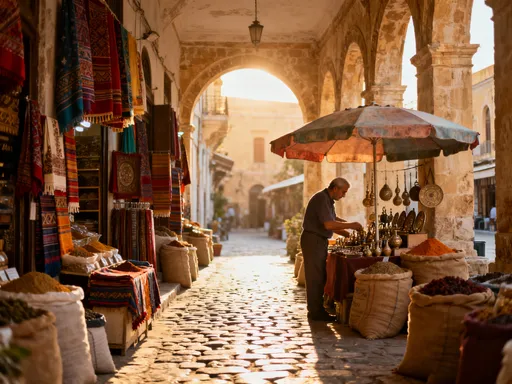
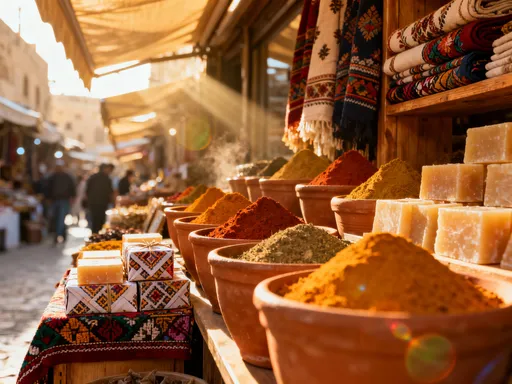
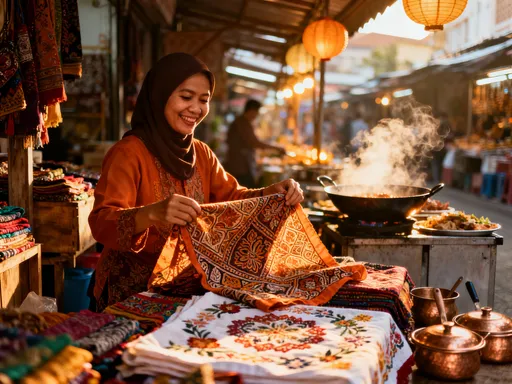
The Downtown Central Market, nestled near Nejmeh Square, offers a more immersive sensory journey. Here, the air hums with the scent of roasted nuts, fresh thyme, and simmering cinnamon. Stalls overflow with colorful jars of za’atar, golden olive oils, and hand-stitched linens. Unlike tourist-heavy bazaars, this market maintains a balance between accessibility and authenticity. Shopkeepers speak enough English to guide visitors, yet the experience feels deeply local. The key is approaching it with curiosity rather than haste. Take your time. Let your nose lead you. Strike up conversations. You’ll often find that the best finds come not from the most visible stalls, but from the quiet corners where artisans work behind the scenes.
To navigate these markets with ease, a few practical tips go a long way. Bring small bills—vendors rarely carry change for large notes, and using smaller denominations makes transactions smoother. Arrive early in the morning, ideally between 8 and 10 a.m., when the crowds are light, the produce is fresh, and the temperatures are mild. This is also when many artisans are most present, willing to share stories about their craft. And while it’s tempting to follow a checklist, one simple question can unlock hidden gems: “What’s your favorite thing here?” More than once, this has led to discoveries—like a rosewater-infused soap made by a woman in Byblos or a family recipe za’atar blend passed down since the 1940s.
Za’atar & Sumac: More Than Just Spices
No journey through Beirut’s culinary landscape is complete without encountering za’atar and sumac—two iconic spice blends that are as much cultural symbols as flavor enhancers. Za’atar, a fragrant mix of wild thyme, toasted sesame seeds, sumac, and salt, varies subtly from region to region. Some blends lean earthy, others citrusy, depending on the harvest and family tradition. In Beirut, it’s more than a condiment; it’s a ritual. Locals dip warm man’oushe bread into olive oil, then into za’atar, eating it for breakfast like others might have toast and jam. The act is simple, yet deeply rooted in daily life.
Sumac, with its deep burgundy hue and tangy punch, plays a quieter but equally vital role. Harvested from wild sumac berries and ground into a fine powder, it adds brightness to grilled meats, salads, and rice dishes. Its lemony flavor makes it a staple in kitchens where fresh citrus might be scarce. In coastal villages, families still pick and dry their own sumac, passing down methods that predate modern spice trade. When shopping in Beirut, look for sumac that’s deep red, not brown—dull color indicates age or poor storage. The best blends should smell sharp and slightly fruity, never musty.
To avoid tourist traps, stick to vendors who source directly from farmers or cooperatives. At Souk el-Tayeb, several stands label their za’atar with the village of origin and harvest date—a sign of transparency and pride. Avoid pre-packaged blends with fillers like flour or excessive salt. Instead, opt for small batches sold in paper bags or glass jars. Once home, store both spices in airtight containers away from light to preserve their potency. And don’t limit them to traditional uses. Try sprinkling za’atar over avocado toast, mixing sumac into vinaigrettes, or seasoning roasted carrots with both. These spices aren’t just for Middle Eastern dishes—they’re versatile allies in any kitchen.
Artisan Soaps from the Levant: A Scented Souvenir That Lasts
Among Beirut’s most enduring crafts is the making of olive oil–based soap, a tradition that dates back centuries to the ancient cities of Aleppo and Tripoli. These soaps, known for their gentle cleansing and long-lasting lather, are still produced using the cold-process method—where olive oil, water, and lye are slowly saponified over days, then cut and left to cure for months. The result is a dense, biodegradable bar that softens with use and carries the quiet elegance of the Mediterranean.
In Beirut, small workshops continue this legacy, often adding regional botanicals for scent and benefit. Lavender-infused soaps, harvested from the hills of the Chouf region, offer a calming aroma ideal for evening routines. Orange blossom varieties, made with distilled petals from local orchards, carry a delicate sweetness that lingers on the skin. Then there’s the famed laurel berry soap, a deep green bar flecked with crushed berries and prized for its anti-inflammatory properties. Traditionally used for sensitive or acne-prone skin, it’s a natural alternative to chemical-laden cleansers.
When selecting artisan soap, look for transparency in ingredients. Authentic bars list only olive oil, laurel berry oil (if applicable), water, and lye—nothing else. Avoid products with synthetic fragrances, parabens, or plastic wrappers. Many ethical brands now use recyclable paper or cloth packaging, often stamped with the maker’s initials or harvest date. These soaps make thoughtful gifts, but they also serve as personal mementos. Each time you lather up, you’re not just cleansing your skin—you’re reconnecting with a moment in Beirut, the scent pulling you back to sunlit courtyards and the quiet hum of tradition.
Hand-Embroidered Textiles: Wearable Heritage
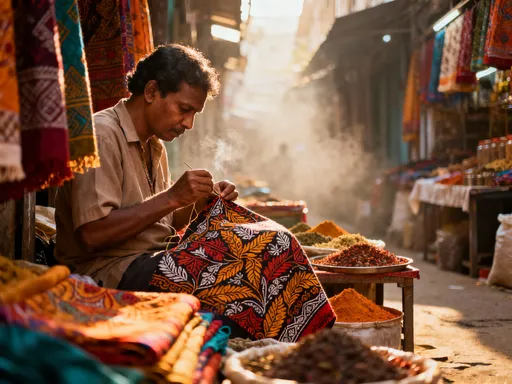
In Beirut’s boutiques and women’s cooperatives, embroidery is more than decoration—it’s a language. Palestinian and Lebanese tatreez, the traditional form of cross-stitch embroidery, uses bold geometric patterns and vibrant threads to convey identity, region, and even marital status. Each stitch is deliberate, each motif inherited. A diamond might symbolize fertility, a cypress tree resilience, and a vine the unbroken connection to the land. These textiles are not merely beautiful; they are archives of memory, especially for communities displaced by history.
Today, Beirut is a hub for preserving and revitalizing this art. Women’s cooperatives, such as those in the Bourj Hammoud district, train younger generations while providing economic independence. Their pieces—whether table linens, cushion covers, or modern dresses—blend tradition with contemporary design. You’ll find vintage-inspired blouses with chest panels of red and gold thread, or minimalist tote bags featuring a single embroidered olive branch. These items honor the past without being trapped by it.
Telling authentic handwork from machine-made imitations requires attention to detail. True tatreez has slight irregularities—uneven stitches, subtle color variations—that signal human touch. Machine embroidery, by contrast, is too perfect, with uniform tension and synthetic sheen. Also, examine the back of the fabric. Hand-stitched pieces have clean, organized reverse sides, while machine versions often show tangled threads or glue residue. When in doubt, ask about the maker. Many cooperatives proudly share the name and story of the artisan. Buying these textiles isn’t just a fashion choice—it’s a way to carry a piece of cultural endurance home with you.
Local Libations: From Arak to Craft Olive Oils
Beirut’s liquid treasures are as rich as its spices and textiles. Among them, arak—Lebanon’s national spirit—holds a place of honor. This clear, anise-flavored liquor, often compared to Greek ouzo or Turkish raki, is traditionally distilled from grapes and flavored with aniseed. When mixed with water and ice, it turns milky white, releasing a refreshing, herbal aroma. It’s not just a drink; it’s a social ritual, shared slowly over long meals with family and friends.
For visitors, the best way to experience arak is at a traditional mezzeh restaurant, where small plates of hummus, grilled kofta, and stuffed grape leaves accompany the first pour. Establishments in Gemmayzeh or Achrafieh often offer tastings from local distillers, allowing you to compare subtle differences in smoothness and anise intensity. Some craft producers now age arak in clay jars or oak barrels, adding depth and complexity. While it’s tempting to sample several varieties in one evening, moderation is key. Arak is typically 50% alcohol, so it’s meant to be sipped, not rushed.
Equally noteworthy are Lebanon’s small-batch olive oils, particularly those from the Bekaa Valley. Nestled between mountain ranges, this fertile region produces olives with a distinctive balance of fruitiness and peppery finish. Unlike mass-market oils, artisanal brands harvest early for freshness and press within hours to preserve polyphenols. Labels to look for include “first cold press,” “single estate,” and “harvest date”—indicators of quality and traceability. These oils elevate everything from salads to grilled fish, and many come in elegant glass bottles perfect for gifting.
When bringing liquids home, plan ahead. Wrap bottles in bubble wrap or soft clothing, and place them in the center of your suitcase, surrounded by cushioning layers. Consider using a hard-shell case for extra protection. Check your airline’s restrictions on liquids—especially those exceeding 100ml in carry-ons. And be mindful of customs rules, particularly for alcohol. While personal quantities are usually allowed, declaring items honestly avoids complications. With care, these libations can survive the journey and become lasting reminders of Beirut’s rich flavors.
How to Pack & Protect Your Treasures
Returning home with Beirut’s treasures is joyful—but only if they arrive intact. Smart packing ensures your spices stay fresh, your soaps uncracked, and your bottles unbroken. Start with organization: designate a section of your suitcase for delicate items. Use soft cloths or scarves to wrap soap bars, preventing friction and absorbing excess moisture. Place them in a ventilated cotton bag to avoid sweating during transit.
For spices like za’atar and sumac, vacuum-seal them in small, resealable bags to lock in aroma and prevent spills. If possible, transfer them from paper packaging to rigid containers with tight lids. Label each with its name and date—this helps with customs and keeps your pantry sorted. Consider carrying a small spice tin in your carry-on for immediate use upon arrival, especially if you plan to cook your first meal at home with a taste of Beirut.
Liquids require extra caution. Olive oil and arak should be wrapped in plastic bags in case of leakage, then cushioned between layers of clothing. If you’re bringing multiple bottles, distribute them across suitcases to minimize risk. Some travelers use specialized travel cases with foam inserts for glassware—these are worth the investment for valuable or irreplaceable items. Always check the weight of your luggage, as dense liquids can push you over limits.
Be aware of agricultural restrictions. While personal amounts of dried spices and oils are generally permitted, some countries limit imports of plant-based products. Research your destination’s customs regulations in advance. When in doubt, declare items honestly—most officials appreciate transparency. Finally, consider the emotional value of your haul. Set aside one small item—a bar of soap, a vial of za’atar, a hand-embroidered napkin—as a personal keepsake. Let it sit on your dresser, not used, but seen. It will serve as a daily reminder of Beirut’s warmth, creativity, and the quiet dignity of its makers.
Conclusion
Bringing home a piece of Beirut means more than collecting souvenirs—it’s about carrying forward stories, scents, and traditions. These specialty products aren’t just things; they’re connections. When you choose authenticity, you honor the hands that made them. So next time you wander through those sun-drenched streets, remember: the best memories come in small, beautifully crafted packages.