Wandering Through the Wild Beauty of Córdoba’s Hidden Natural Gems
Nestled in the heart of Andalusia, Córdoba, Spain, is often celebrated for its mesmerizing history and architecture—but few expect the breathtaking natural scenery just beyond the city’s ancient walls. As I wandered through olive groves, riverbanks, and sun-drenched trails, I discovered a quieter, wilder side of this storied place. This is not just a city of monuments; it’s a gateway to serene landscapes that stir the soul. While travelers flock to marvel at the Mezquita’s forest of columns or stroll along the flower-lined patios of Santa Marina, the surrounding countryside whispers a different kind of beauty—one shaped by wind, water, and centuries of quiet coexistence between people and land. Here, nature doesn’t compete with history; it complements it.
The Unexpected Wilds of a Historic City
Córdoba is best known for its UNESCO World Heritage sites, where Islamic, Christian, and Jewish influences have left an indelible mark on the urban landscape. Yet, beyond the well-trodden alleys of the old quarter, the city reveals another identity—one defined by open skies, rolling hills, and the gentle murmur of flowing water. Situated in the fertile basin of the Guadalquivir River and bordered to the north by the rugged foothills of the Sierra Morena, Córdoba occupies a unique ecological crossroads. This geographical duality creates a rich tapestry of environments: from riparian woodlands to dry Mediterranean scrub, from cultivated farmland to protected natural parks. The contrast is striking—within minutes of leaving the historic center, the sounds of street musicians and café chatter fade into the rustle of olive leaves and the distant call of a hoopoe.
What makes this natural proximity so special is its accessibility. Unlike remote wilderness areas that require long drives or guided expeditions, Córdoba’s wild spaces are woven into the rhythm of daily life. Residents walk their dogs along river trails, families picnic beneath centuries-old olive trees, and farmers tend to fields that have been worked for generations. This seamless blend of urban and rural life invites visitors to experience nature not as an excursion, but as an integral part of the region’s character. It’s a reminder that culture isn’t only preserved in stone—it also grows in soil, flows in rivers, and thrives in the quiet spaces between towns.
Following the Guadalquivir: A Riverside Escape
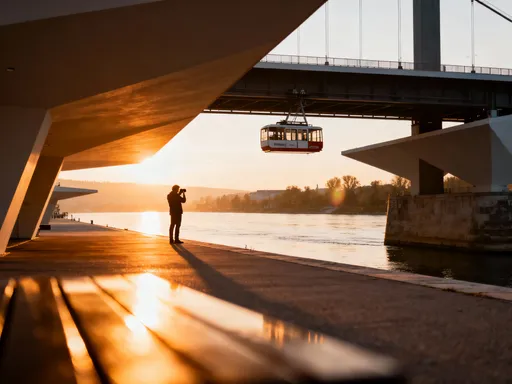
One of the most accessible ways to experience Córdoba’s natural charm is by walking along the Guadalquivir River. Flowing gently through the city, this historic waterway serves as a green artery, offering shade, cool breezes, and a sense of calm amid the urban bustle. The riverbanks are lined with willow trees, reeds, and tamarisks, their reflections shimmering in the slow-moving current. Along the edges, herons stand motionless, waiting to spear a passing fish, while kingfishers dart like flashes of turquoise between the banks. In the early morning or late afternoon, the light softens, casting golden hues across the water and turning the riverside into a photographer’s dream.
Well-maintained pathways run along both sides of the river, making it easy for people of all ages and fitness levels to enjoy a peaceful stroll. One particularly scenic stretch begins near the Roman Bridge and extends westward, passing beneath the watchful gaze of the Alcázar de los Reyes Cristianos. As you walk, you’ll notice how the city gradually recedes, replaced by open meadows and clusters of wildflowers. Benches dot the route, inviting you to pause and simply listen—to the lap of water, the chirp of crickets, or the distant hum of a passing cyclist. In the summer months, when temperatures in Córdoba can soar above 40°C (104°F), the river offers a vital cooling refuge. Many locals bring towels and sandals to dip their feet in the shallows, while others float small boats with children, turning the river into a communal space of relaxation and play.
Beyond recreation, the Guadalquivir plays a crucial role in supporting biodiversity. Its riparian ecosystem provides habitat for over 150 bird species, including migratory birds that stop here during their long journeys between Africa and northern Europe. Conservation efforts have helped maintain water quality and protect native plant species, ensuring that this urban river remains a living, breathing part of the landscape. For visitors, walking the Guadalquivir is more than a scenic outing—it’s a chance to witness how nature and city life can coexist in harmony.
The Olive Forests: Córdoba’s Green Gold
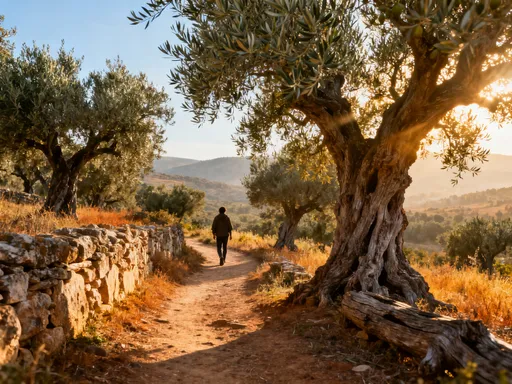
Just beyond the city limits, the land transforms into an endless sea of olive groves—some of the most extensive and ancient in the world. Córdoba province is home to over 50 million olive trees, many of which are hundreds of years old, their gnarled trunks twisted by time and weather. These silvery-green forests stretch across the hills, their leaves shimmering in the wind like ripples on a metallic ocean. The air carries the faint, earthy scent of olives and dry soil, and the only sounds are the rustle of leaves and the occasional call of a magpie perched on a branch.
Olive cultivation has shaped Córdoba’s economy, cuisine, and culture for millennia. The region produces some of Spain’s finest extra virgin olive oil, prized for its fruity aroma and smooth finish. Many of the groves are managed using sustainable practices, with farmers avoiding chemical pesticides and preserving natural ground cover to prevent erosion. Some estates even offer guided tours, where visitors can learn about the harvesting process, taste freshly pressed oil, and walk among trees that predate modern Spain. These experiences provide a deeper appreciation for the labor and care behind every bottle of olive oil—a connection between land, tradition, and table.
The olive groves also support a rich web of life. Wildflowers bloom between the rows in spring, attracting bees and butterflies. Lizards dart through the underbrush, and birds of prey circle overhead, scanning for movement. The quiet rhythm of rural life continues here—farmers on tractors, dogs napping in the shade, and the occasional donkey pulling a cart. Walking through these groves, one gains a sense of timelessness, as if the land has its own heartbeat, slow and steady. For travelers seeking authenticity, the olive forests offer a chance to step away from tourist crowds and into the soul of Andalusia.
Sierra de Cardeña: Where Wilderness Begins
For those ready to venture deeper into nature, the Sierra de Cardeña y Montoro Natural Park offers a true wilderness experience. Located about an hour north of Córdoba city, this protected area spans over 38,000 hectares of rugged mountains, dense oak forests, and deep river gorges. It’s one of the last strongholds of the Iberian lynx, an endangered wild cat that has made a remarkable comeback thanks to conservation programs. While sightings are rare, the presence of this elusive predator is a testament to the park’s ecological health. Other wildlife includes black vultures, wild boar, otters, and the critically endangered Spanish imperial eagle.
The park’s terrain is both challenging and rewarding. Trails wind through cork oak and holm oak woodlands, cross seasonal streams, and climb to viewpoints with panoramic vistas of the surrounding countryside. One popular route follows the course of the Yeguas River, where shaded paths and the sound of flowing water create a refreshing contrast to the open plains below. In spring, the forest floor bursts with wild orchids, rockroses, and thyme, filling the air with fragrance. Rangers at the visitor centers provide maps, trail conditions, and safety advice, ensuring that hikers can explore responsibly.
What sets Sierra de Cardeña apart is its sense of solitude. Unlike more commercialized natural parks, it sees relatively few visitors, allowing for genuine immersion in nature. There are no souvenir shops or crowded parking lots—just quiet trails, ancient stone bridges, and the occasional shepherd guiding a flock of Merino sheep. This remoteness has helped preserve the area’s ecological integrity, making it a model for sustainable conservation. For travelers who value authenticity and tranquility, the park offers a rare opportunity to disconnect and rediscover the rhythms of the natural world.
Seasonal Shifts: Nature’s Changing Palette
Córdoba’s landscapes are not static—they shift dramatically with the seasons, each bringing its own beauty and opportunities for exploration. In spring, the region comes alive with color. Wildflowers blanket the hillsides in shades of yellow, purple, and white. Rockroses bloom in the scrublands, and almond trees burst into delicate pink blossoms. This is the ideal time for walking, with mild temperatures and lush greenery. Birdwatchers will find the parks and riverbanks especially active, as migratory species pass through on their way north.
Summer brings intense heat, particularly in the city, but the higher elevations of the Sierra Morena offer relief. Morning hikes become essential, allowing visitors to complete their walks before the sun reaches its peak. Even in the lowlands, early risers are rewarded with dew-covered spiderwebs, singing nightingales, and cooler air. The olive groves take on a silvery sheen under the bright sun, and the scent of wild thyme intensifies with the heat. While outdoor activity slows during midday, evenings bring a different kind of magic—long sunsets, open-air concerts by the river, and the gentle hum of cicadas.
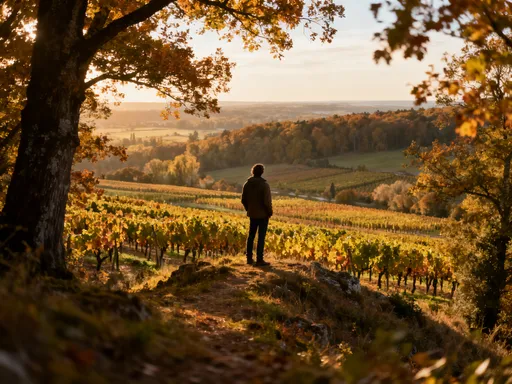
Autumn transforms the landscape once more. The leaves of the oak and ash trees turn golden, and the olive harvest begins in earnest. This is a busy but beautiful time, as farmers gather their crops and local markets overflow with fresh oil, figs, and grapes. The air cools, making long walks comfortable again, and the light takes on a soft, golden quality that enhances every view. Winter, though mild by northern standards, brings much-needed rain that replenishes the rivers and fills the reservoirs. The land greens up once more, and wildflowers begin to appear in sheltered valleys. Each season offers a different lens through which to experience Córdoba’s natural treasures.
Practical Wandering: How to Explore Responsibly
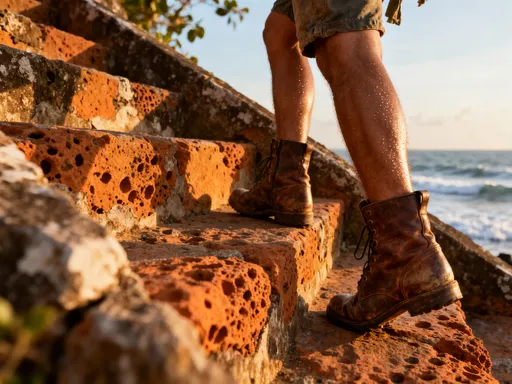
Exploring Córdoba’s natural spaces is a joy, but it comes with the responsibility to protect them. The region’s ecosystems are fragile, shaped by centuries of balance between human activity and environmental conditions. Visitors can help preserve this balance by following a few simple guidelines. First, wear appropriate footwear—sturdy walking shoes or hiking boots are essential, especially on uneven or rocky terrain. Trails in the Sierra de Cardeña, for example, can be steep and slippery after rain.
Hydration is critical, particularly in summer. Always carry enough water, and avoid relying on natural sources unless they are clearly marked as safe. Sun protection is equally important: a wide-brimmed hat, sunglasses, and sunscreen can prevent heat exhaustion and sunburn. It’s also wise to start hikes early in the day, especially during the warmer months, to avoid the midday heat.
Responsible tourism also means minimizing environmental impact. Stay on marked trails to prevent soil erosion and protect plant life. Avoid picking flowers or disturbing wildlife, and carry out all trash—there are often no bins in remote areas. If you bring food, use reusable containers and avoid single-use plastics. Supporting local guides and visiting official park centers not only enhances your experience but also contributes to conservation efforts and community-based tourism. Many guides offer bilingual tours and can share insights into the region’s ecology, history, and traditions that you won’t find in guidebooks.
Finally, respect local customs and private property. Some trails pass through working farms or private land, and it’s important to follow signage and stay on public paths. If you encounter livestock, keep a respectful distance and avoid startling the animals. By traveling mindfully, visitors help ensure that Córdoba’s natural beauty remains intact for future generations.
Why Nature Deepens the Travel Experience
Traveling to Córdoba for its monuments alone is like reading only the first chapter of a rich and complex story. The city’s natural landscapes offer the rest of the narrative—the context, the rhythm, the soul. When you walk beside the Guadalquivir, stand beneath an ancient olive tree, or hike through the quiet woods of Sierra de Cardeña, you connect with the land that has shaped Andalusian life for centuries. You begin to understand how climate, geography, and agriculture have influenced cuisine, architecture, and daily routines.
Nature also offers a different kind of restoration. In a world of constant noise and digital distraction, the stillness of the countryside provides a rare opportunity to slow down, breathe deeply, and reflect. There is healing in the sound of a flowing river, the sight of a bird in flight, or the feel of sun-warmed stone beneath your hand. These moments of quiet wonder enrich the travel experience, creating memories that linger long after the trip ends.
More than that, embracing nature fosters a deeper respect for place. It shifts the focus from consumption—checking off attractions or collecting photos—to connection. It encourages us to see ourselves not as separate from the environment, but as part of it. In Córdoba, where history and nature are so closely intertwined, this awareness is especially powerful. The same hands that built the Mezquita also planted olive trees that still bear fruit today. The same river that powered ancient mills still sustains wildlife and inspires poets.
So as you plan your journey to this remarkable region, look beyond the postcard-perfect facades. Step outside the city walls. Follow the trails, listen to the wind, and let the wild beauty of Córdoba reveal itself. In doing so, you won’t just see a destination—you’ll feel it, understand it, and carry a piece of it with you. Because the true essence of travel isn’t found in monuments alone, but in the quiet moments between them—where history, nature, and the human spirit walk hand in hand.