How I Built a Meditation Habit That Actually Sticks
Meditation sounded great—until I kept failing at it. I’d try, skip days, feel guilty, then quit. Sound familiar? I finally found a way to make meditation regular without pressure. It’s not about perfection. It’s about showing up, even for a minute. This is how I turned an “I should” into a natural daily rhythm—and how you can too.
The Myth of Perfect Meditation
For years, I believed meditation required a silent room, a perfect posture, and a completely clear mind. When I sat down and found myself distracted by grocery lists or the sound of traffic, I assumed I was doing it wrong. I’d leave the cushion feeling like a failure, reinforcing the idea that meditation wasn’t for me. This belief—that meditation only counts if it feels peaceful—is one of the most common misconceptions that keeps people from building a lasting practice. The truth is, meditation is not about achieving a state of perfect calm. It’s about awareness. It’s about noticing when your mind wanders and gently bringing it back, again and again. That act of noticing and returning is the practice itself, not a sign of failure.
Many beginners quit because they expect immediate results or a sense of deep relaxation after just a few sessions. But like learning any new skill, meditation takes time. Just as a beginner pianist doesn’t expect to play a sonata perfectly on day one, someone new to mindfulness shouldn’t expect to achieve mental stillness overnight. The brain is like a muscle—it needs consistent training to change. When we misunderstand what meditation is supposed to feel like, we set ourselves up for disappointment. The goal isn’t to stop thinking; it’s to become more aware of your thoughts without getting caught in them. This shift in perspective—from performance to presence—is what allowed me to stop judging my practice and start showing up for it, no matter how “bad” it felt.
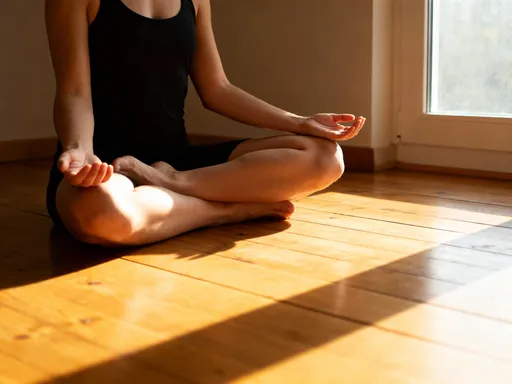
Another myth is that meditation must be done in a specific way: cross-legged on the floor, eyes closed, hands in a mudra. While these forms can be helpful, they aren’t requirements. You can meditate sitting in a chair, lying in bed, or even standing in line at the grocery store. The form is far less important than the function. What matters is the intention to be present. By releasing the pressure to do it “right,” I freed myself to practice in ways that fit my life, not an idealized version of it. This simple reframe—from perfection to possibility—was the first step toward consistency.
Why Routine Beats Intensity
I used to think that if I wasn’t meditating for at least 20 minutes, it didn’t count. So when my schedule got busy, I’d skip the practice entirely. Over time, I realized this all-or-nothing mindset was the biggest obstacle to progress. Research in neuroscience supports what I eventually learned through trial and error: regular, short sessions are more effective than occasional long ones. The brain changes not through intensity, but through repetition. Each time you meditate, you strengthen neural pathways associated with attention, emotional regulation, and self-awareness. These changes are subtle at first, but they accumulate over time.
Think of it like physical exercise. Lifting a heavy weight once a month won’t build muscle. But lifting a lighter weight several times a week will. The same principle applies to mindfulness. A daily five-minute session creates a rhythm that the brain begins to expect and respond to. Over time, this consistency leads to measurable benefits: reduced cortisol levels, improved focus, and greater resilience in the face of stress. Studies have shown that even brief, regular meditation can increase gray matter density in areas related to learning, memory, and emotional control. These aren’t overnight transformations, but they are real and accessible to anyone who shows up consistently.
What changed for me was shifting my goal from “deep meditation” to “daily contact.” Instead of aiming for a profound experience, I focused on simply connecting with the practice each day. This lowered the barrier to entry and made it easier to maintain momentum. On days when I had more time or energy, I could extend the session. But the baseline was always small enough to be achievable. This approach removed the pressure and turned meditation into a sustainable habit rather than a chore. The science is clear: frequency trumps duration when it comes to rewiring the brain.
Linking Meditation to Existing Habits
One of the biggest mistakes I made early on was trying to “find time” for meditation. I treated it like an extra task on an already full to-do list, so it was always the first thing to get dropped. The breakthrough came when I stopped looking for time and started attaching meditation to something I was already doing every day. This strategy, known as habit stacking, is based on the idea that new behaviors are more likely to stick when they’re linked to existing routines. For example, I began meditating right after I brushed my teeth in the morning. Since brushing my teeth is a non-negotiable habit, it became a reliable trigger for mindfulness.
Habit stacking works because it leverages the brain’s natural tendency to form associations. When you consistently pair two behaviors, the first one begins to cue the second. Over time, the trigger becomes automatic. I experimented with different anchor habits until I found what worked best. At first, I tried meditating after making coffee, but sometimes I skipped coffee on weekends. Then I tried after putting on my shoes in the morning, but that varied depending on my schedule. Brushing my teeth, however, was consistent every single day. Once I locked in that anchor, the habit began to take root.
Other effective anchors include after locking the front door, after sitting down at your desk, or before turning off the bedroom light at night. The key is to choose a behavior that happens at roughly the same time and place each day. Then, commit to a short meditation immediately afterward. It doesn’t have to be long—just long enough to create the association. I started with three conscious breaths, which took less than a minute. That tiny action was enough to signal to my brain that this was part of my routine. Over time, those few breaths expanded into longer sessions, not because I forced them, but because the habit was already in place.
Designing Your Minimal Viable Session
My biggest leap forward came when I redefined what “counted” as meditation. I stopped aiming for 10 or 20 minutes and decided that even one conscious breath was a success. This concept, inspired by the idea of a “minimal viable product” in business, became my “minimal viable meditation.” The goal was no longer depth or duration, but consistency. By lowering the bar to the absolute minimum, I removed the excuse of being “too busy.” If I had one breath to spare, I could still practice.
This shift was transformative. On days when I felt overwhelmed or distracted, I didn’t have to convince myself to sit for 10 minutes. I just needed to take one breath with awareness. Often, that one breath led to two, then five, then ten. But even when it didn’t, I still honored the habit. I wasn’t breaking the chain. Over time, this built a sense of trust with myself—I knew I could count on showing up, no matter what. That reliability, more than any single session, is what created lasting change.
Your minimal viable session can be anything that feels doable every single day. It might be three slow breaths, a quick body scan while sitting, or silently repeating a calming phrase. The content matters less than the consistency. The idea is to create a baseline so low that skipping it feels more uncomfortable than doing it. Once that baseline is established, you can build from there. But the foundation must be rock solid. I found that protecting this tiny practice actually made longer sessions more likely, not less. Because I wasn’t fighting resistance, I approached meditation with openness rather than dread.
Tracking Without Obsession
In the beginning, I tried tracking my meditation with apps that gave me streaks, points, and detailed analytics. At first, it felt motivating. But soon, I became obsessed with maintaining my streak. Missing a day felt like failure. The tracking, meant to support the habit, had turned into a source of stress. I realized I needed a lighter approach—one that encouraged progress without turning practice into a performance.
Now, I use a simple wall calendar with a red marker. Each day I meditate, I put a checkmark in the box. No points, no data, no pressure. Just a visual reminder of my commitment. This low-tech method keeps me accountable without feeding perfectionism. If I miss a day, I don’t erase the past. I just start again the next day. The calendar doesn’t judge me; it just shows the pattern. Over time, I began to notice how the checkmarks added up, creating a rhythm that felt natural rather than forced.
Other tracking methods that work well include a habit journal with a single sentence reflection, or a paper chain where you add a link for each day completed. The key is to choose a system that feels supportive, not stressful. Tracking should serve the practice, not the other way around. When done mindfully, it can provide gentle encouragement and help you see your progress over time. But it should never become the reason you practice. The real reward is how you feel—calmer, clearer, more present—not how many days are marked on a chart.
Navigating Motivation Dips
Even with a solid system, there are days when motivation fades. Life gets busy, emotions run high, and the idea of sitting still feels impossible. I used to see these moments as failures. Now, I see them as part of the process. The key isn’t to force yourself to meditate exactly as planned, but to maintain the habit loop in a flexible way. On low-energy days, I allow myself to adapt. Sometimes that means doing a two-minute guided meditation instead of sitting in silence. Other times, it means focusing on my breath while folding laundry or standing in the shower.
One strategy that helps is having a “reset” practice—a shorter, simpler version of meditation for tough days. For me, this is a voice-guided breathing exercise I can listen to on my phone. It requires less effort than self-directed practice, so it’s easier to start. Another tool is self-compassion. Instead of criticizing myself for feeling resistant, I acknowledge it with kindness. I might say, “It’s okay to feel tired. Let’s just take one breath together.” This gentle approach removes the internal struggle and makes it easier to begin.
The goal isn’t to feel motivated every day, but to stay connected to the habit. Motivation follows action, not the other way around. Once I sit down and take that first breath, the resistance often softens. I’ve learned that showing up in any form is better than not showing up at all. Flexibility, not rigidity, is what sustains a long-term practice. By allowing myself to adjust without guilt, I’ve been able to keep going through seasons of stress, fatigue, and change.
The Ripple Effects of Regular Practice
Over months of consistent, small efforts, I began to notice changes that went far beyond the meditation cushion. I was less reactive in conversations. When someone said something upsetting, I noticed the urge to respond immediately—but I also noticed a new space between stimulus and response. In that space, I could choose how to act, rather than being hijacked by emotion. This didn’t happen overnight, but it became more frequent with time. Research supports this: regular meditation strengthens the prefrontal cortex, the part of the brain responsible for decision-making and emotional regulation.
I also found that my focus improved. I could stay on task longer without getting pulled into distractions. This wasn’t because I had more willpower, but because my mind was better trained to return to the present moment. Studies have shown that mindfulness practice enhances attention span and reduces mind-wandering. I didn’t become superhuman, but I became more capable of managing the demands of daily life with greater ease.
Perhaps the most meaningful change was in my relationship with myself. I became more aware of my inner dialogue—the quiet criticisms, the automatic judgments. With practice, I learned to meet those thoughts with curiosity rather than belief. This increased self-awareness didn’t eliminate stress, but it changed how I related to it. I could observe my anxiety without becoming it. I could feel sadness without being overwhelmed by it. These shifts weren’t dramatic, but they were profound. They added up to a quieter mind, a calmer presence, and a deeper sense of balance.
Science confirms these benefits. Long-term meditators show lower levels of cortisol, the stress hormone, and increased activity in brain regions linked to well-being. But you don’t need to be a monk to experience them. Even modest, consistent practice can lead to real improvements in mental clarity, emotional resilience, and overall quality of life. The key is regularity. It’s not about how deeply you meditate, but how often you return to the practice.
Meditation isn’t about escaping life—it’s about showing up for it, mindfully. I didn’t transform overnight, but by prioritizing regularity over results, I built a practice that lasts. It’s not flawless, but it’s real. And that’s what makes it work.